
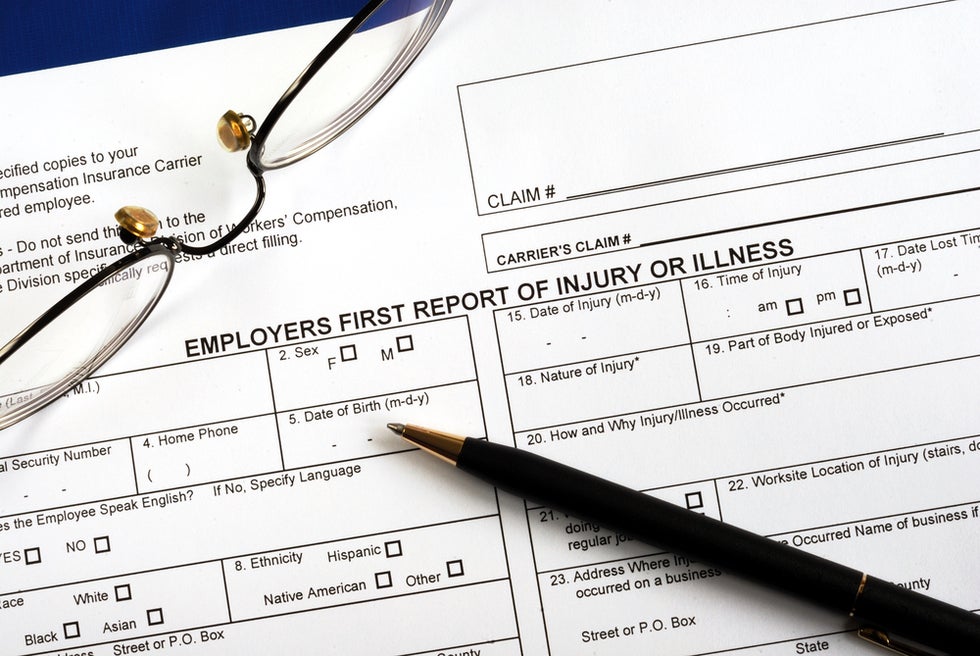
One of the most common questions injured workers ask after a workplace accident is: “If I file for workers' compensation, will I lose my job?” This concern is understandable. After all, you may rely on your job to support yourself and your family, and the last thing you want is to face retaliation for exercising your rights. The good news is that in California and most states, the law provides important protections to workers who are hurt on the job. However, there are also gray areas and exceptions that every employee should be aware of.
Table of Contents
- Understanding Your Right to File a Workers' Compensation Claim
- What the Law Says About Termination After Filing a Claim
- When Employers May Still Terminate an Injured Worker
- Signs of Retaliation After a Workers' Comp Claim
- What to Do If You're Afraid of Losing Your Job
- Workers' Compensation and Disability Protections
- What Happens If You Are Fired Anyway?
- Key Takeaways
- Final Thoughts
Understanding Your Right to File a Workers' Compensation Claim
Workers' compensation is a system designed to protect both employees and employers. If you are injured or become ill because of your job, you have the right to file a claim for medical care and wage replacement benefits. In exchange, your employer generally cannot be sued directly for your injuries.
Filing a workers' comp claim is not optional—it's a legal right. The system exists to make sure injured employees get the care they need without worrying about proving fault. That said, many workers hesitate to file claims because they fear retaliation, reduced hours, or outright termination. This fear is common, but the law is clear: your employer cannot legally fire you for filing a workers' compensation claim.
What the Law Says About Termination After Filing a Claim
California, like many other states, has strong protections against retaliation. Under California Labor Code Section 132a, it is unlawful for an employer to discriminate against an employee simply because they filed a workers' compensation claim or because they have a work-related injury.
If an employer does retaliate, the worker can bring a separate claim for discrimination, which could result in additional compensation, job reinstatement, and penalties against the employer. In some cases, employees may even pursue wrongful termination lawsuits.
In short, if your only “offense” is that you filed a workers' comp claim, your employer cannot fire you legally. Doing so would expose them to significant legal liability.
When Employers May Still Terminate an Injured Worker
While employers cannot fire you because you filed a workers' compensation claim, that doesn't mean your job is guaranteed forever. Employers are still allowed to make business decisions unrelated to your claim, such as:
- Layoffs or downsizing: If your employer is reducing its workforce, you may be included in a layoff even if you have a pending workers' comp claim. The key is that the layoff must be unrelated to your injury.
- Poor performance or misconduct: If there are documented issues with your performance, attendance, or workplace behavior, your employer may terminate you on those grounds. However, they cannot use your injury as a pretext for firing you.
- Extended inability to work: If your injury leaves you unable to perform the essential functions of your job, and no reasonable accommodations can be made, your employer may eventually terminate your position. Even then, they must follow disability and leave laws, such as the Americans with Disabilities Act (ADA) and the Family and Medical Leave Act (FMLA).
Signs of Retaliation After a Workers' Comp Claim
If you notice any of the following after filing a claim, it may be a red flag for retaliation:
- Sudden negative performance reviews after years of good evaluations.
- A demotion or reassignment to undesirable shifts or duties.
- Unjustified disciplinary actions.
- Isolation or hostility from supervisors or co-workers.
- Termination without a clear, documented reason.
If you suspect retaliation, it is important to document everything and seek legal advice right away. The earlier you act, the stronger your case may be.
What to Do If You're Afraid of Losing Your Job
Fear of losing your job can keep people from reporting workplace injuries, but this can hurt you in the long run. If you're in this situation, here are some steps you can take:
- Report your injury promptly: California law requires you to report a workplace injury within 30 days. Waiting too long could hurt your ability to receive benefits.
- Keep records: Save copies of your injury report, medical records, and any communication with your employer or insurance company. Documentation can protect you if your employer tries to retaliate.
- Know your rights: Educate yourself about California workers' comp laws and anti-retaliation protections. Knowledge can give you confidence.
- Consider legal help: An experienced work injury attorney can ensure your rights are protected and help you navigate complex situations, especially if your employer is acting suspiciously.
Workers' Compensation and Disability Protections
It's important to remember that your rights extend beyond workers' compensation. If your injury leaves you with lasting limitations, you may also be protected under federal and state disability laws. The Americans with Disabilities Act (ADA) requires employers to provide reasonable accommodations to employees with disabilities, as long as doing so does not create undue hardship for the business.
Reasonable accommodations could include modified duties, adjusted schedules, or reassignment to a different role. Similarly, the Family and Medical Leave Act (FMLA) may allow you to take unpaid, job-protected leave while you recover. In California, the California Family Rights Act (CFRA) offers similar protections.
These laws, combined with workers' compensation, create a strong safety net for employees dealing with workplace injuries.
What Happens If You Are Fired Anyway?
If your employer terminates you after you file a workers' comp claim, do not assume you are powerless. You may have several options, including:
- Filing a retaliation complaint with the California Workers' Compensation Appeals Board (WCAB).
- Pursuing a wrongful termination lawsuit if your firing violates state or federal employment laws.
- Continuing to receive workers' compensation benefits, since those are tied to your injury—not your employment status.
In fact, one of the most important things to know is that losing your job does not automatically end your workers' comp benefits. As long as your injury is work-related and your claim is valid, you are entitled to medical care and wage replacement even if you are no longer employed with the company.
Key Takeaways
- You cannot legally be fired for filing a workers' compensation claim.
- Employers may still fire you for legitimate reasons unrelated to your injury or claim.
- If you are retaliated against, you may have grounds for additional legal action.
- Your workers' compensation benefits continue even if you lose your job, as long as the claim remains valid.
- Consulting with an experienced workers' compensation attorney can protect your rights and help you maximize your benefits.
Final Thoughts
Filing a workers' compensation claim is not just your right—it's often necessary to ensure you receive the medical care and financial support you need to recover. While the fear of retaliation is real, California law strongly protects employees who come forward. If your employer does try to punish you for asserting your rights, you may be entitled to even greater protections and compensation.
If you're asking yourself, “Will I lose my job if I file a workers' compensation claim?” the answer is simple: No, your employer cannot fire you just for filing. But because every case is unique, it's always wise to seek legal advice tailored to your situation.


Comments
There are no comments for this post. Be the first and Add your Comment below.
Leave a Comment