
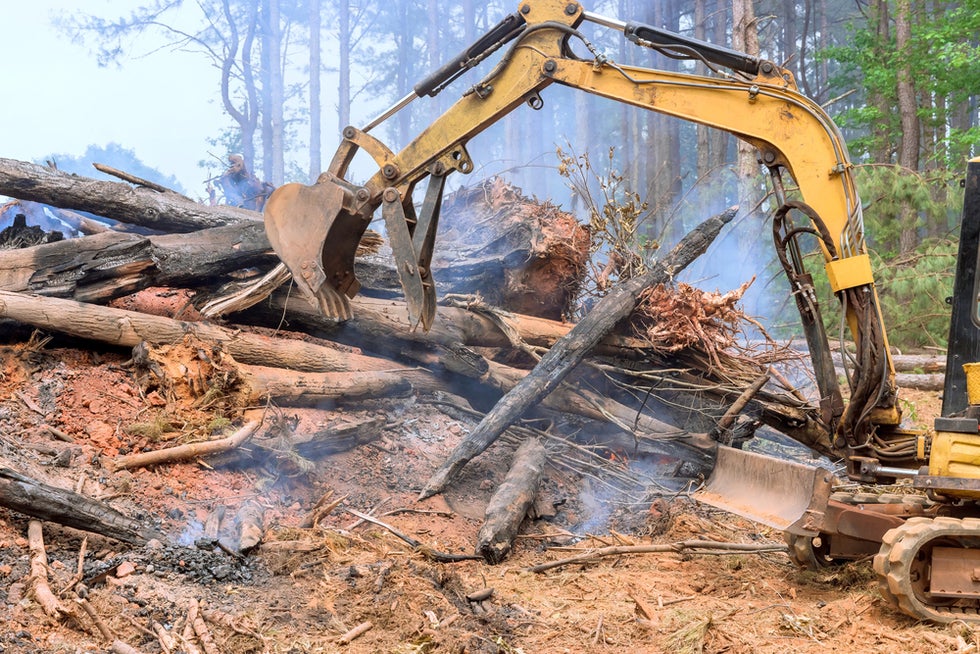
Wildfire recovery work is some of the most dangerous work in California. Cleanup and rebuilding often happen fast, across multiple job sites, with many contractors and unfamiliar hazards. If you're injured while working in wildfire recovery—whether you're clearing debris, hauling materials, operating equipment, restoring utilities, performing demolition, or doing construction—what you do in the first hours and days can affect both your health and your ability to recover benefits.
This guide explains practical steps to take after a wildfire cleanup injury in California, what benefits may be available, and how third-party liability can apply when someone other than your employer contributed to the injury.
Important: This article provides general information, not legal advice. Rules can vary based on your job status and the facts of your incident.
Why wildfire cleanup injuries are different
Recovery jobs combine the risks of construction, hazardous materials work, and disaster-response logistics. Workers may be exposed to unstable structures, ash and debris, downed power lines, contaminated water, damaged gas lines, heavy machinery, and rushed timelines. Crews may be assembled quickly, supervision can be inconsistent, and safety procedures may be unevenly enforced—especially when multiple subcontractors and vendors overlap at the same site.
The result is an environment where injuries can be severe and where responsibility may extend beyond a single employer.
Step 1: Get medical care immediately and be specific about how you were hurt
Your first priority is your health. If the injury is serious, call 911 or get to the nearest emergency department. If it's not an emergency, request medical evaluation as soon as possible. For many injuries—especially smoke inhalation, heat illness, chemical exposure, head impacts, and crush injuries—symptoms can worsen over time.
- Tell the provider you were injured on a wildfire recovery job. Describe the task you were doing and the specific hazard (for example, “fell through burned flooring,” “hit by moving equipment,” “inhaled heavy smoke/ash,” “exposed to chemicals/ash slurry,” “electrical shock,” or “heat exhaustion”).
- Report all symptoms, even if they seem minor. Headaches, dizziness, shortness of breath, confusion, nausea, numbness, ringing in the ears, and unusual fatigue can matter.
- Ask for written discharge instructions and work restrictions. These may become important if there is later disagreement about your ability to work.
Keep copies of after-visit summaries, imaging results, and prescriptions. If possible, write down the names of the clinicians you saw and the facilities where you were treated.
Step 2: Report the injury to a supervisor in writing and ask for a workers' comp claim form
In California, most employees injured on the job are covered by workers’ compensation. To protect yourself, report the injury to your supervisor or employer as soon as you can—preferably in writing (text message or email can be enough). Keep a copy or screenshot.
If you're an employee, you generally should request a DWC-1 claim form (the standard California workers' compensation claim form). Complete your portion and return it, keeping a copy for your records.
- Be clear about date, time, and location. Disaster sites can be chaotic and addresses may be changing; include cross-streets or jobsite identifiers if needed.
- Describe the mechanism of injury. “Fell from ladder due to unstable ground,” “struck by loader backing up,” “slipped on ash-covered concrete,” “exposed to smoke while removing debris,” etc.
- Identify witnesses. Even one coworker who saw the incident or the unsafe condition can help later.
If your employer discourages reporting, downplays the injury, or suggests you use your personal health insurance, document that. Retaliation for reporting a workplace injury or raising safety concerns can create additional legal issues.
Step 3: Document the scene before it changes
Wildfire recovery sites change rapidly. Debris gets hauled away, equipment moves, and conditions that caused the injury may be “fixed” quickly after an incident. If you are physically able (and it is safe), gather documentation right away or ask someone you trust to help.
What to collect
- Photos/video: the hazard (unstable structure, hole, debris pile, exposed rebar, downed line), your equipment, signage (or lack of signage), lighting conditions, and any personal protective equipment (PPE) issues.
- Names and companies: the general contractor, subcontractors, equipment operators, property owner/manager, and any safety personnel on site.
- Incident details: time, task, weather/visibility, who gave instructions, and whether you had safety training for that task.
- Equipment identifiers: make/model of tools or machines, and rental company information if the equipment was rented.
- Witness contacts: names, phone numbers, and what they observed.
Also keep your own written timeline. A short note drafted the same day can be more persuasive than a memory months later.
Step 4: Understand the two tracks: workers' comp and third-party liability
After a workplace injury, many people assume workers' compensation is the only option. In reality, wildfire cleanup injuries often involve multiple companies and hazardous conditions that can support a separate third-party personal injury claim in addition to workers' comp.
Workers' compensation (for employees)
Workers' compensation is generally a no-fault system. If you're an employee, you may be entitled to benefits even if no one “meant” to hurt you. Benefits can include:
- Medical treatment related to the injury
- Temporary disability payments (partial wage replacement while you recover)
- Permanent disability benefits if you have lasting impairment
- Supplemental job displacement benefits (in some situations)
- Death benefits for surviving dependents (in fatal cases)
Workers' comp generally does not pay for pain and suffering. It also may limit your ability to sue your employer directly, which is why identifying third-party responsibility can be critical in serious injury cases.
Third-party claims (when someone other than your employer contributed)
A third-party claim is a civil case against a non-employer whose negligence or defective product contributed to the injury. Depending on the facts, examples can include:
- Other contractors/subcontractors: unsafe work practices, inadequate traffic control, poor site coordination, or negligent equipment operation.
- Property owners or managers: dangerous conditions, failure to warn, or failure to secure hazardous areas (depending on site control and legal duties).
- Equipment manufacturers: defective tools, respirators, ladders, scaffolding, forklifts, loaders, chainsaws, or protective gear.
- Rental/maintenance companies: negligent inspection, repair, or maintenance of rented equipment.
- Drivers: vehicle collisions involving delivery trucks, debris haulers, or public traffic near recovery zones.
Unlike workers' comp, a successful third-party claim may allow recovery for a broader set of damages (such as pain and suffering), depending on the case.
Common wildfire recovery injuries and what they involve
These sites create predictable injury patterns. Recognizing them can help you explain what happened and why it mattered.
Falls and structural collapses
- Burned-through flooring, weakened roofs, unstable stairs
- Collapsed retaining walls, chimneys, or partially demolished structures
- Poor scaffolding setup or missing fall protection
Struck-by and caught-between injuries
- Heavy equipment in tight work zones (loaders, skid steers, excavators)
- Falling debris during demolition or cleanup
- Pinch points when moving burned materials or operating machinery
Smoke inhalation, ash exposure, and toxic substances
- Respiratory issues from ash, soot, and particulate matter
- Exposure to chemicals released by burned plastics, insulation, solvents, or household products
- Skin irritation or burns from contaminated debris or ash slurry
Heat illness and dehydration
- High temperatures, heavy PPE, long shifts, limited shade or water
- Early symptoms (cramps, dizziness) progressing to heat exhaustion or heat stroke
Electrical and utility hazards
- Downed power lines, damaged electrical panels, generator hazards
- Compromised gas lines and explosion/fire risks during debris removal
What if you were labeled an “independent contractor”?
Wildfire recovery work often involves day labor, temporary staffing, and rapid contracting. Some workers are told they're “1099” independent contractors—even when the job looks and functions like employment. This matters because workers' comp coverage typically applies to employees, not true independent contractors.
If you were hurt and you're unsure of your status, don’t assume you have no rights. Classification depends on the real working relationship, not just what paperwork says. In many cases, there may still be potential claims (including third-party claims) even if workers' comp is disputed.
Avoid common post-injury problems
Problem 1: “It was pre-existing” arguments
Insurers may argue your condition existed before the incident. Clear medical documentation and a consistent timeline can help show what changed after the injury and why.
Problem 2: Pressure to return too soon
Returning to heavy work before you're medically ready can worsen injuries and create disputes about causation. Follow restrictions, keep appointment records, and document any job duties that exceed restrictions.
Problem 3: Missing deadlines
Workers' comp and civil claims have strict timelines. While exact limits depend on the facts, the safest approach is to document immediately and seek guidance early so you don't lose rights due to delay.
Problem 4: Retaliation or intimidation
If you are threatened, demoted, fired, or disciplined for reporting an injury or raising safety concerns, keep records: texts, emails, schedules, write-ups, and witness statements. Retaliation issues can be separate from the injury claim itself.
After-injury checklist
- Get medical care and describe the incident accurately.
- Report the injury in writing and request/submit a workers' comp claim form if you're an employee.
- Photograph the hazard, your injuries (if visible), and any equipment involved.
- Write down names of witnesses and all companies present on site.
- Keep a timeline: symptoms, treatment, missed work, and employer communications.
- Preserve evidence (damaged PPE, defective tool, broken ladder) if safe to do so.
- Avoid recorded statements to non-employer insurers without understanding the purpose and implications.
FAQ
Do I automatically qualify for workers' compensation if I'm hurt on a wildfire recovery job?
If you are an employee, you are generally covered for injuries that arise out of and occur in the course of your work. However, disputes can arise about whether the injury was work-related, whether it was reported properly, or whether you were actually treated as an employee versus an independent contractor.
Can I sue my employer for a wildfire cleanup injury in California?
In most situations, workers' compensation is the exclusive remedy against an employer for an on-the-job injury. That said, many wildfire cleanup injuries involve third parties (other contractors, property interests, equipment companies) who may be legally responsible in addition to workers' comp benefits.
What is a third-party claim and why does it matter?
A third-party claim is a civil personal injury case against someone other than your employer whose negligence or defective product contributed to your injury. Depending on the case, it may allow recovery for losses not available through workers' comp, including pain and suffering.
What if I was exposed to smoke, ash, or chemicals but I didn't feel sick right away?
Symptoms from inhalation and exposure can be delayed. If you develop coughing, wheezing, chest tightness, headaches, dizziness, nausea, skin irritation, or unusual fatigue after exposure, seek medical evaluation promptly and tell the provider about the conditions you worked in.
What if my employer tells me not to report the injury or to use my own insurance?
You can still report the injury and request a workers' comp claim form. Document the conversation and any messages. Reporting in writing and keeping records helps protect you if there is later disagreement about what happened.
How can I prove what happened when the jobsite changes every day?
Photos, videos, a written timeline, witness names, and records of which companies were on site can help preserve the facts. If equipment was involved, noting make/model and rental information can be important.
Does being a “1099” independent contractor mean I have no case?
Not necessarily. Job classification can be disputed, and there may be other legal paths depending on the facts, including third-party liability. The label on paperwork is not always the final word on legal status.
Are heat illness and dehydration considered workplace injuries?
They can be. Heat illness can develop during intense physical labor, especially when wearing PPE in hot conditions. If symptoms begin at work or are tied to working conditions, they should be taken seriously and documented like any other injury.
What should I do if I'm contacted by an insurance adjuster?
Be cautious. Adjusters may seek statements that affect how a claim is evaluated. If you choose to speak, keep it factual and avoid speculation. Do not guess about medical issues or fault. Consider getting guidance before giving a recorded statement, especially if a third party may be involved.
Final thoughts
Wildfire cleanup is essential work, but it can expose workers to extraordinary risks. When injuries happen, the legal landscape can involve overlapping workers' compensation benefits and potential third-party liability—especially when multiple contractors, property interests, equipment providers, and safety responsibilities intersect on a single recovery project.
Taking prompt, organized steps—medical care, written reporting, and documentation—can help protect your health and preserve the facts needed to evaluate available rights and benefits under California law.


Comments
There are no comments for this post. Be the first and Add your Comment below.
Leave a Comment