
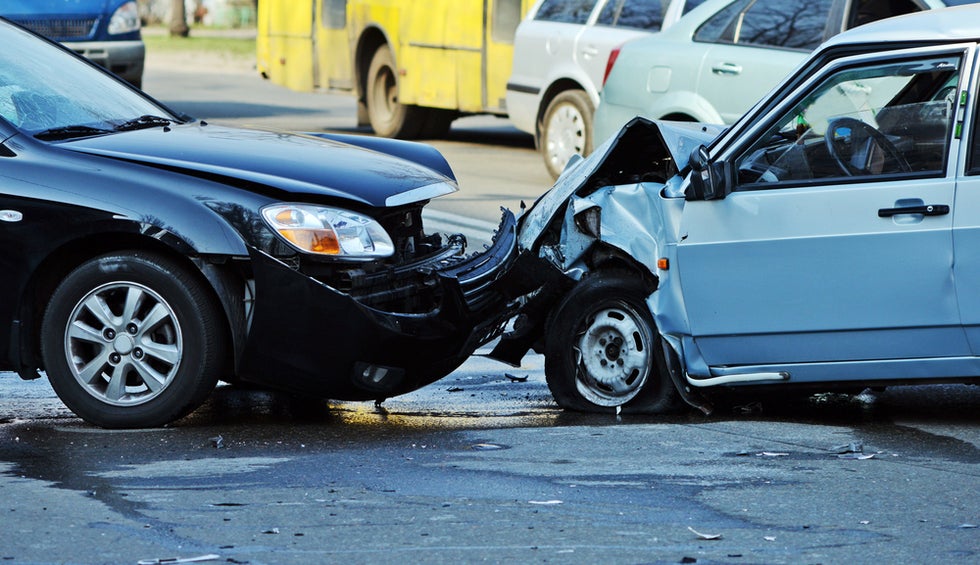
The sound of screeching tires followed by a loud crash is terrifying. Your heart pounds in your chest, and your mind races. It is a moment of pure chaos, and knowing what to do after a car accident can feel impossible. But taking a deep breath and following a few key steps can protect your health and your rights.
This guide walks you through exactly what to do after a car accident to regain some control. You are not alone in this feeling of panic. Having an accident check list in mind can make all the difference in a very difficult situation.
Table of Contents:
- Immediately at the Scene of the Accident
- Critical Steps After Leaving the Scene
- What to Do After a Car Accident: The Following Weeks
- Common Mistakes to Avoid
- Frequently Asked Questions
- Conclusion
Immediately at the Scene of the Accident
Your first actions in the moments after a crash are the most critical. Staying as calm as possible will help you think clearly. Focus on safety for yourself, your passengers, and others on the road.
Stop and Check for Injuries
The very first thing you need to do is stop your car. Never drive away from the accident scene, even if it seems like a minor car accident or just a fender bender. Turn on your hazard lights immediately to warn other drivers, and use road flares if you have them and it is safe to do so.
Before you do anything else, check yourself for injuries. Then, check on any passengers in your vehicle. If anyone is hurt, unconscious, or complaining of neck or back pain, call 911 immediately and do not move them unless they are in immediate danger.
Tell the dispatcher about any accident injuries so they can send medical help right away. It's important to remember that adrenaline can mask pain. You might not feel a serious personal injury until hours or even days later.
Move to a Safe Location if Possible
If the vehicles involved are still drivable and the accident was not severe, you should move them. Getting the vehicles to the side of the road or a nearby parking lot is safest. This helps prevent another collision from happening.
The National Safety Council recommends this to protect everyone from oncoming traffic. But if a car cannot be moved or if someone is seriously injured, leave the vehicles where they are. It is better to wait for the police to arrive and document the scene as it is.
Call the Police
You should call the police after any car accident. Some people are tempted to skip this step for a small fender bender. This is almost always a mistake, as even minor impacts can cause hidden vehicle damage.
An official police report is a vital piece of evidence for your insurance claim. When the officer arrives, they will document the scene, gather statements, and make an impartial report of the facts. Having this third-party report can prevent many headaches later on when you file your car insurance claim.
Exchange Information with the Other Driver
You have to exchange some basic information with the other driver. It is important to be polite but to stick to the facts. Do not apologize or say the accident was your fault, as this can be used against you later when the insurance company works to determine fault.
Here is a simple list of the information you need to get from the other involved car and driver. Many car insurance company providers offer a mobile app with a built-in accident check list to help you gather these details. You can also use your phone to take pictures of documents.
| Information Category | Details to Collect |
|---|---|
|
Personal Details |
Full Name, Address, Phone Number |
|
Insurance Info |
Insurance Company Name, Policy Number |
|
Vehicle Info |
Make, Model, Color, and License Plate Number |
|
Driver's License |
Driver's License Number |
|
Witnesses |
Name and Phone Number of any witnesses. |
Getting witness contact information can be very helpful. An independent witness can confirm your side of the story if the other driver's account changes later. Collect their name and phone number before they leave the accident scene.
Document Everything at the Scene
Your smartphone is your most powerful tool right now. Use it to take pictures and videos of everything you can. This evidence can be priceless for your auto insurance claim.
Make sure to take pictures of the damage to both cars from multiple angles. Get close-up shots of the impacts and wider shots that show the position of the vehicles involved. Also, photograph license plate numbers, skid marks on the road, traffic signals, and any debris from the crash.
These pictures help tell the story of what happened and are essential for when the insurance company evaluate vehicle damage. Clear documentation makes the claims process much smoother. Remember to capture the time of day and weather conditions as well.
Critical Steps After Leaving the Scene
Once you are safely away from the accident scene, your work is not over. The steps you take in the following hours and days are just as important. They lay the groundwork for a smooth recovery and insurance process.
Seek Medical Attention
Even if you walked away from the crash feeling fine, you need to see a doctor. As mentioned, adrenaline can hide serious car accident injuries. Things like whiplash, internal bleeding, or even concussions may not show symptoms right away.
Going to your family doctor, an urgent care clinic, or the emergency room creates a medical record. This record links your injuries directly to the car accident. The Mayo Clinic explains that symptoms can be delayed, so a prompt medical evaluation is very important.
This documentation will be essential if you need to file an injury claim for medical payments coverage. If the accident happened while you were working, you may also need to file a workers compensation claim. Having a medical professional's assessment is critical for your health and any potential claims.
Notify Your Insurance Company
You need to call your insurance agent as soon as you can. Most insurance policy agreements require you to report an accident promptly. Waiting too long could put your automobile insurance coverage at risk.
When you call, stick to the facts of what happened and provide the information you gathered. You can often start a claim online as well. Do not speculate on who was at fault; just state what you saw and did.
Your own insurance company is there to help you through the claims process. It is often best not to give the other driver's insurance company a recorded statement without first speaking to your agent or an attorney. A simple statement can be misinterpreted and used against you.
Start a Claim File
Get a folder or a digital file and keep everything related to the accident in one place. Staying organized now will save you a lot of stress. This will become your central hub for all documents and notes related to the motor vehicles involved.
Here are some of the things you should keep in your file:
- The police report number.
- The insurance claim numbers for both your auto policy and the other driver's.
- All medical bills, receipts for prescriptions, and doctor's notes.
- Receipts for any out-of-pocket expenses, like a rental car or rideshare services.
- Photos and videos you took at the scene.
- A log of every phone number you call and every conversation with insurance adjusters or lawyers, noting the date, time, and topic.
This organized file gives you a complete picture of your accident's impact. It is a powerful tool to have on your side. Having all documentation ready makes every step of the insurance car claim easier to manage.
What to Do After a Car Accident: The Following Weeks
The aftermath of an accident can stretch on for weeks or even months. During this time, you will be dealing with insurance companies, repair shops, and medical appointments. Patience and persistence are your best friends here.
Managing Your Insurance Claim
After you report the crash, your insurance company will assign an adjuster to your case. The adjuster's job is to investigate the accident and determine how much the insurance company pay. They will look at the police report, your photos, and statements from everyone involved.
You will also need to get an estimate for your car's repairs. Many insurance companies have preferred repair shops, but you typically have the right to choose your own. It is a good idea to get at least two estimates to compare, ensuring they plan to use quality replacement parts.
If there's a dispute over the value of the damage, you might use the appraisal provision in your policy. This allows you and the insurance company to each hire a competent appraiser to evaluate the vehicle damage. If your vehicle is declared a total loss, the insurer will offer you its actual cash value, which is the value before the crash.
Dealing with Medical Bills and Lost Wages
Figuring out how medical bills get paid can be confusing. Depending on your state and your auto insurance coverage, payments might come from your own health insurance or medical payments coverage on your auto policy. In no-fault states, your own Personal Injury Protection (PIP) coverage is typically the first to pay.
If you missed work because of your car accident injuries, you might be able to get payment for your lost wages. You will need to document your time off with pay stubs and a note from your employer. Keeping these records is just as important as tracking medical bills.
Even other insurance policies can come into play. For instance, if you were riding your motorcycle, your motorcycle insurance would be primary. It's a good idea to review all of your policies, including renters insurance or condo insurance, to see if any additional coverage applies.
When to Consider Talking to an Attorney
Many car accidents and the resulting claims can be handled without a lawyer. But in some situations, getting professional legal help from a personal injury lawyer is a smart move. An attorney can protect your rights and deal with the insurance companies for you.
You might want to talk to a personal injury lawyer if:
- You or a passenger suffered serious accident injuries.
- The other driver was an uninsured motorist or fled the scene.
- The insurance company's settlement offer is very low and will not cover your bills.
- The insurance claim process becomes too complicated or overwhelming to handle on your own.
An experienced Los Angeles car accident lawyer understands how to show the full extent of your losses. They can help you get the support you need to recover fully. Their job is to ensure you are treated fairly by the insurance company.
Common Mistakes to Avoid
Just as important as knowing what to do is knowing what not to do. Certain mistakes can seriously damage your ability to get fair treatment after a crash. Avoiding these common slip-ups is critical.
- Admitting Fault: Never say an accident was your fault at the scene, even if you think it might have been. Let the police and insurance companies determine fault.
- Not Calling the Police: A police report is official, neutral documentation. Without it, the other driver could easily change their story later.
- Accepting a Quick Settlement: Insurance adjusters might offer a quick check to close your case. Do not accept it until you know the full extent of your injuries and property damage.
- Posting on Social Media: Be very careful about what you post online after an accident. Insurance companies often check social media and can use photos or posts against you to argue that your injuries are not severe.
- Delaying Medical Care: Waiting to see a doctor makes it easier for an insurance company to argue your injuries are not from the accident. Go get checked out right away to create a clear medical record.
By sidestepping these traps, you put yourself in a much stronger position. You are protecting your health and your financial stability at a time when you are most vulnerable. Your actions now can have a big impact on your future recovery.
Frequently Asked Questions
After an accident, many questions come to mind. Here are answers to some of the most frequently asked questions. This information can help you understand the process better.
How does the insurance company determine fault?
Insurance companies determine fault by reviewing all the evidence from the car accident. This includes the police report, driver and witness statements, photos of the scene and vehicle damage, and any relevant traffic laws. Adjusters piece together this information to decide which driver was primarily responsible for the crash.
What happens if the other driver is an uninsured motorist?
If the at-fault driver is an uninsured motorist, you will need to rely on your own insurance policy. Uninsured Motorist (UM) coverage, if you have it, can pay for your medical bills and sometimes property damage. If you do not have this coverage, you might have to file a lawsuit against the other driver directly, but collecting payment can be difficult.
How does the insurance company evaluate vehicle damage?
The insurance company evaluate vehicle damage through an adjuster or appraiser. They will inspect your car in person or review photos and repair estimates from a repair shop. Their goal is to determine the cost of repairs with approved replacement parts or to declare the car a total loss if repair costs exceed its actual cash value.
What should I do if my car is a total loss?
If your car is declared a total loss, the insurance company will pay you its actual cash value minus your deductible. You will need to transfer the title to the insurance company, and they will take possession of the car. It's a good idea to research your car's value beforehand to make sure the settlement offer is fair.
Should I accept the insurance company's first offer?
You are not required to accept the first settlement offer from the insurance company pay. If the offer seems too low to cover your medical bills, lost wages, and vehicle damage, you have the right to negotiate. This is where your organized file of documents becomes extremely valuable in supporting your counteroffer.
Conclusion
Going through a car crash is a deeply unsettling experience that can leave you shaken and confused. Having a clear checklist for what to do after a car accident helps you manage the chaos one step at a time. This process is about taking control where you can in a situation that feels out of your control.
Remember the key actions: stay safe, call for help, and document everything. Contact your insurance company quickly and keep meticulous records. By prioritizing safety, documenting everything, and seeking the right help, you can protect yourself and begin the process of getting back to normal.


Comments
There are no comments for this post. Be the first and Add your Comment below.
Leave a Comment