
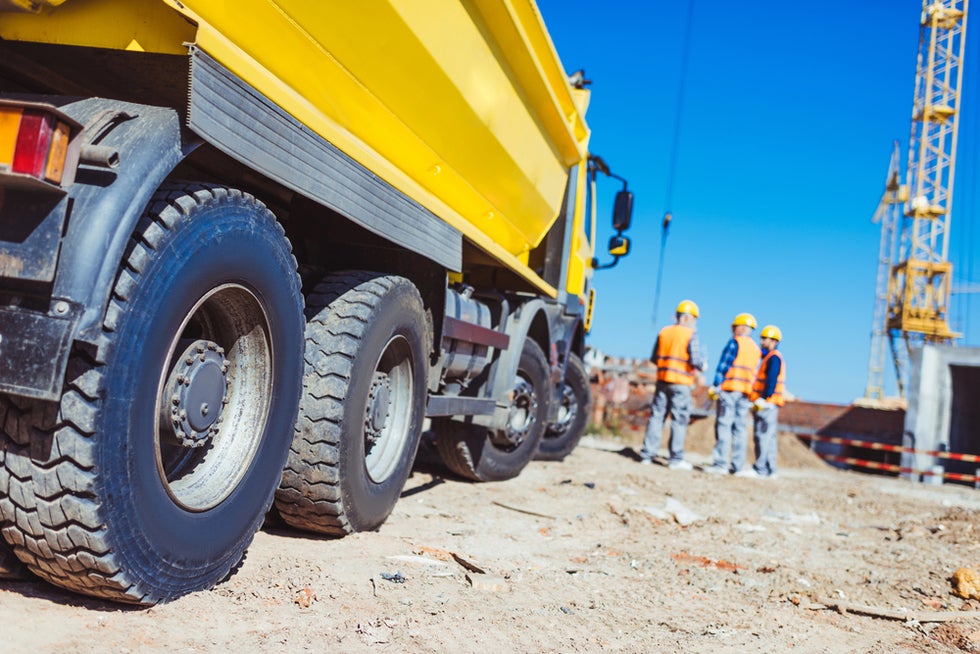
Construction sites are inherently dangerous, and when accidents happen, determining who is legally responsible is rarely straightforward. One of the most common and misunderstood issues is the legal liability of subcontractors in construction accidents.
This guide explains when subcontractors may be liable, when other parties may share responsibility, and how California law treats construction accident claims involving subcontractors, general contractors, property owners, and injured workers.
What Is Legal Liability in a Construction Accident?
Legal liability means that a person or company can be held legally responsible for causing harm. In a construction accident case, liability usually depends on whether a party acted negligently, violated safety rules, or failed to correct a dangerous condition they created or controlled.
On a construction site, liability may depend on several questions:
- Who created the dangerous condition?
- Who controlled the work area?
- Who supervised the work being performed?
- Were safety regulations violated?
- Did another company's negligence contribute to the injury?
Because construction projects often involve multiple contractors, subcontractors, vendors, property owners, and equipment suppliers, liability is frequently shared by more than one party.
When Are Subcontractors Liable for Construction Accidents?
Subcontractors may be legally liable when their own negligence causes or contributes to an accident. A subcontractor does not have to employ the injured worker directly to be responsible. If a subcontractor creates a hazard that injures someone from another trade, that subcontractor may face a third-party liability claim.
Negligent Work or Unsafe Practices
A subcontractor may be liable if they perform work in an unsafe or careless way. Examples include:
- Improperly installing scaffolding
- Leaving tools, debris, or materials in walkways
- Failing to secure loads or equipment
- Creating fall hazards
- Operating machinery unsafely
- Failing to warn others about dangerous conditions
If the subcontractor's conduct falls below the level of care expected on a construction site and someone is injured as a result, the subcontractor may be held responsible.
Violations of Cal/OSHA or Safety Rules
Safety violations can be powerful evidence in a construction accident case. Subcontractors may be liable when they fail to follow required safety procedures, including rules involving fall protection, trench safety, electrical hazards, scaffolding, protective equipment, and hazardous materials.
A violation does not automatically decide every case, but it can strongly support the argument that the subcontractor failed to act safely.
Control Over the Work Area
Control is one of the most important factors in determining subcontractor liability. If a subcontractor controlled the area, equipment, or activity that caused the injury, they are more likely to be held liable.
For example, if an electrical subcontractor leaves exposed wiring in an area used by other workers, and someone is shocked or injured, that subcontractor may be responsible because it controlled the work that created the hazard.
Can General Contractors Be Liable for Subcontractors?
General contractors are not automatically liable for every mistake made by a subcontractor. However, they may share responsibility when their own conduct contributes to the accident.
A general contractor may be liable if it:
- Retained control over safety conditions
- Directed how the subcontractor performed the work
- Failed to correct a known hazard
- Created scheduling conflicts that made the site unsafe
- Ignored safety violations
- Affirmatively contributed to the injury
In California construction accident cases, courts often look closely at whether the general contractor merely hired the subcontractor or whether it actively controlled the dangerous work or safety conditions involved in the accident.
The Peculiar Risk Doctrine in California Construction Accidents
The peculiar risk doctrine can also matter in construction accident cases. This doctrine applies when a party hires an independent contractor to perform work that carries a special or inherent risk of harm unless proper precautions are taken.
In some circumstances, the party that hired the contractor may be responsible for injuries caused by the contractor's failure to take reasonable safety precautions. This issue can become complicated, especially when the injured person is an employee of the subcontractor versus a third party.
Because of these legal distinctions, construction accident cases often require a careful review of contracts, worksite control, safety practices, and the relationship between the injured person and the companies involved.
Workers' Compensation vs. Third-Party Claims
If a construction worker is injured on the job, they may be entitled to workers' compensation benefits through their employer. Workers' compensation can provide medical treatment and partial wage replacement, but it usually does not cover pain and suffering.
However, if a subcontractor, general contractor, property owner, equipment manufacturer, or another third party caused the accident, the injured worker may also have a separate third-party claim.
A third-party construction accident claim may allow recovery for:
- Pain and suffering
- Full lost income
- Loss of future earning capacity
- Future medical care
- Permanent disability
- Loss of enjoyment of life
This is why identifying subcontractor liability is so important. Workers' compensation may be only one part of the recovery available after a serious construction accident.
Other Parties That May Share Liability
Subcontractors are often only one part of the liability analysis. Depending on the facts, other parties may also be responsible.
Property Owners
A property owner may be liable if they knew or should have known about a dangerous condition and failed to fix it or warn others.
General Contractors
A general contractor may be liable when it controls safety conditions, coordinates the work in an unsafe way, or contributes to the hazard.
Equipment Manufacturers
If defective machinery, tools, lifts, cranes, or safety equipment caused the accident, the manufacturer or distributor may be liable.
Other Subcontractors
Multiple subcontractors may share liability when one trade creates a hazard that injures workers from another trade.
How Fault Is Determined in Subcontractor Construction Accident Cases
Fault is usually determined by reviewing the facts, evidence, contracts, safety rules, and witness testimony. Important evidence may include:
- Accident reports
- Cal/OSHA investigation findings
- Site safety logs
- Subcontractor agreements
- Daily work reports
- Photos and videos of the accident scene
- Witness statements
- Training records
- Expert analysis
California uses comparative fault, which means more than one party can be assigned a percentage of responsibility. A subcontractor may be 100% responsible, or liability may be divided among several companies.
Examples of Subcontractor Liability in Construction Accidents
Here are common examples of how subcontractor liability may arise:
- A scaffolding subcontractor improperly assembles scaffolding, causing a fall.
- An electrical subcontractor leaves exposed wires, causing electrocution or shock injuries.
- A demolition subcontractor fails to secure debris, causing falling-object injuries.
- A concrete subcontractor leaves an uneven surface that creates a trip hazard.
- A crane or equipment subcontractor operates machinery unsafely, injuring nearby workers.
- A roofing subcontractor fails to use fall protection or creates hazards for workers below.
In each example, the key question is whether the subcontractor's actions created or contributed to the danger that caused the injury.
What Makes a Claim Against a Subcontractor Stronger?
A construction accident claim against a subcontractor is usually stronger when there is clear evidence that the subcontractor controlled the hazard, violated safety rules, or had notice of the danger before the accident.
Helpful evidence may include:
- Proof that the subcontractor created the hazard
- Evidence that the subcontractor controlled the area
- Photos showing unsafe conditions
- Witnesses who saw the dangerous conduct
- Prior complaints about the same hazard
- Safety violations or ignored warnings
- Expert opinions linking the subcontractor's conduct to the injury
Why Subcontractor Liability Matters After a Construction Accident
Understanding the legal liability of subcontractors in construction accidents matters because serious worksite injuries can lead to life-changing losses. Workers' compensation may help, but it often does not fully compensate an injured worker for the complete impact of the accident.
When a subcontractor or another third party caused the injury, a separate claim may provide compensation beyond workers' compensation benefits.
Frequently Asked Questions About Subcontractor Liability
Can an injured construction worker sue a subcontractor?
Yes. If the subcontractor was not the injured worker's employer and the subcontractor's negligence caused the accident, the injured worker may be able to bring a third-party claim against that subcontractor.
Is a general contractor always responsible for a subcontractor's negligence?
No. A general contractor is not automatically responsible for everything a subcontractor does. Liability usually depends on control, supervision, safety responsibilities, and whether the general contractor contributed to the dangerous condition.
Can more than one subcontractor be liable?
Yes. Construction sites often involve several trades working at the same time. If multiple subcontractors contributed to the hazard, liability may be divided among them.
Does workers' compensation prevent a lawsuit against a subcontractor?
Not necessarily. Workers' compensation usually limits claims against the injured worker's employer, but it does not always prevent claims against negligent third parties, including subcontractors.
What is the most important factor in subcontractor liability?
The most important factors are usually control, negligence, and causation. In other words, did the subcontractor control the dangerous condition, act carelessly, and cause or contribute to the injury?
Bottom Line
The legal liability of subcontractors in construction accidents depends on what the subcontractor did, what it controlled, and whether its conduct caused or contributed to the injury. In many cases, subcontractors can be held liable by construction accident attorneys when they create unsafe conditions, violate safety rules, or expose workers from other trades to preventable dangers.
Because construction accident cases often involve multiple companies and overlapping safety duties, determining liability requires a detailed investigation. Subcontractors, general contractors, property owners, and equipment manufacturers may all play a role in what happened.


Comments
There are no comments for this post. Be the first and Add your Comment below.
Leave a Comment