
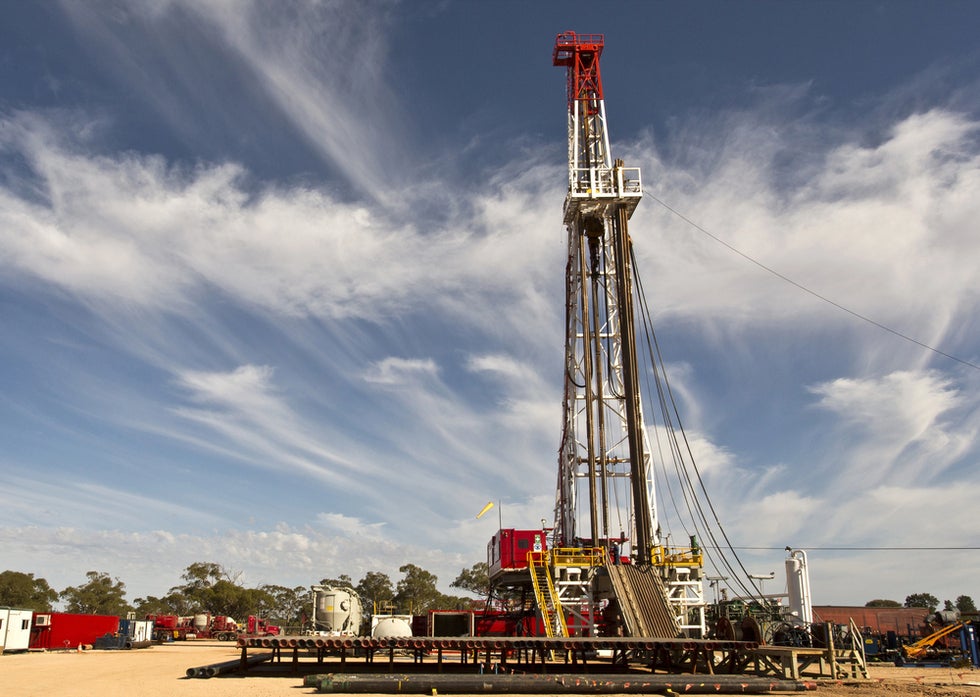
On December 1, 2025, 29-year-old worker Alfredo Oronia of Arvin, California died while working on an oil rig in a rural area of Fresno County. According to publicly available reports from local authorities and news outlets, a large piece of steel swung down and struck him while he was performing work at the site. Emergency personnel responded to the location near Mt. Whitney and Polk Avenues in Riverdale, where Oronia was pronounced dead. Officials confirmed that Cal OSHA was notified and that an investigation is underway.
Key Takeaways
- Alfredo Oronia, age 29, died on December 1, 2025, while working on an oil rig in Fresno County.
- Reports state that a large piece of steel swung down and struck him, causing fatal injuries.
- The incident occurred in the rural community of Riverdale, near Mt. Whitney and Polk Avenues.
- Authorities pronounced Oronia dead at the scene.
- Cal OSHA has been notified and is conducting an investigation.
What Is Confirmed About the Incident
Based on public reporting, Alfredo Oronia was engaged in work involving an oil rig when a steel component moved in a way that resulted in fatal impact. No additional details have been released regarding the specific task he was performing, the equipment in use at that moment, or the sequence of events that led up to the steel piece swinging down. Officials have not shared information about site conditions, employer protocols, or the overall structure of the work being performed.
The Fresno County Sheriff's Office confirmed Oronia's identity and stated that he died at the scene. The location was identified as a rural property in Riverdale, an agricultural region where industrial activity and energy-related work sometimes take place. At this time, authorities have not provided further statements about the operation that was underway.
Cal OSHA's Role Following a Workplace Fatality
Cal OSHA, the agency responsible for enforcing workplace safety standards in California, was notified shortly after the incident. Under state law, any workplace death must be reported to Cal OSHA, triggering an investigation. These investigations are designed to determine whether workplace safety regulations were followed and whether any contributing factors related to equipment, training, or procedures existed.
Cal OSHA has not released findings or preliminary conclusions about this incident. Investigations of this nature often take several months. During that time, the agency may review training documentation, inspect the worksite, interview witnesses, and evaluate whether existing safety regulations adequately address the conditions encountered. None of these steps have been publicly detailed for this specific case.
General Background on Oil Rig Work
Although no further specifics about Oronia's activity at the moment of the incident have been reported, it is widely recognized that jobs involving oil rigs can present numerous hazards. Oil rigs often include large structural components, heavy steel parts, and equipment that must be moved, attached, or adjusted during normal operations. The size and weight of these materials can create risks, especially when they are suspended or repositioned.
Work performed on or around oil rigs may also involve tasks such as maintenance, assembly, disassembly, or repair. These jobs require coordination and attention to the movement of materials. Any time workers are near large steel components, the potential for injury can increase if the material shifts, rotates, or becomes unstable. These general industry characteristics help explain why oil rig work is classified as high risk, even though no specific task details have been released in connection with Oronia's case.
Risks Associated With Heavy Steel Components
Across many industries, including those involving oil rigs, workers face hazards when dealing with heavy steel structures. Steel can move in unexpected ways due to momentum, weight imbalance, or environmental factors. Even slow or relatively small movements can become dangerous when the material is large or suspended. Because no additional details have been released about the accident involving Oronia, it is not known what caused the steel piece to swing. However, it is accurate to say that heavy steel components generally require strict safety controls in any work setting.
In industrial environments, workers may encounter situations involving hooks, chains, cranes, winches, or other equipment used to reposition large materials. While none of these tools have been confirmed as part of this incident, understanding the broader context of industrial work helps illustrate why safety oversight is essential. The movement of heavy steel components remains one of the most carefully monitored aspects of many construction and industrial operations.
Historical Accident Trends in Industrial Work (General Context)
Workplace fatalities involving heavy equipment or large structural materials are not unique to any one industry or region. National data from agencies such as the U.S. Bureau of Labor Statistics consistently show that struck-by incidents, particularly those involving large objects, are a leading cause of workplace deaths. These incidents may occur in construction, manufacturing, agriculture, oil and gas production, and other fields. This information is provided as general background and does not imply that any such trends applied specifically to the workplace where Oronia was located.
The Importance of Workplace Safety Oversight
When a workplace fatality occurs, regulatory oversight becomes an essential part of understanding what happened and how similar tragedies can be prevented. Cal OSHA investigations are consequential because they help determine whether safety measures were followed, whether training was adequate, and whether workplace conditions aligned with state regulations. In cases across California, findings from Cal OSHA investigations have led to improvements in safety procedures and industry standards. At this time, no findings have been made public in relation to Oronia's case, and it is not known what the investigation will reveal.
The Broader Impact of a Workplace Loss
The death of a worker affects not only the individual's family and friends but also coworkers, supervisors, and the broader community. In small or rural regions such as Riverdale, workplace fatalities can resonate deeply. Public reports have not provided information about Oronia's family or community connections, but the loss of a young worker often brings attention to the human cost of industrial labor.
Incidents like this also reinforce ongoing conversations about workplace safety in California. The state has extensive regulations designed to prevent accidents, yet fatalities still occur across various industries each year. These events serve as reminders of the importance of continuous improvement in workplace safety practices.
A Respectful Reflection
While many facts about the incident that resulted in the death of Alfredo Oronia have not yet been released, what is known underscores the reality that high risk occupations require diligent oversight and consistent attention to safety. His death is a profound loss for those who knew him, and it highlights the continued need for strong regulatory systems, clear safety procedures, and transparency following workplace tragedies.
As of now, no additional information has been provided by local authorities or Cal OSHA. Further details may become available as the official investigation progresses.

Comments
There are no comments for this post. Be the first and Add your Comment below.
Leave a Comment