
Construction work is essential for growing our cities, yet it remains one of the most dangerous professions in the country. Workers face numerous hazards every day, but few are as immediate and deadly as the threat of electricity. Electrocution injuries on construction sites lead to severe injuries and fatalities that impact families across the entire nation. Understanding these risks is vital for every worker and site manager to ensure a safe working environment.
Electricity is a silent threat that strikes without warning, often leaving victims with little time to react safely. A momentary lapse in focus or a piece of defective equipment can change a life forever in an instant. The physical damage from an electrical current is often catastrophic, affecting internal organs and skin alike with devastating force. Families are frequently left to deal with the aftermath of a tragic wrongful death.
Safety protocols exist to protect people, but they are not always followed correctly on busy, high-pressure job sites. Deadlines often push crews to rush, leading to critical mistakes that could have been avoided with proper care. When safety takes a backseat to speed, the risk of an electrical accident rises sharply for everyone involved. Knowing your rights and the dangers you face is the first step toward long-term protection and workplace safety.
Electrocution Injuries on a Construction Site: The Reality of Electrical Hazards
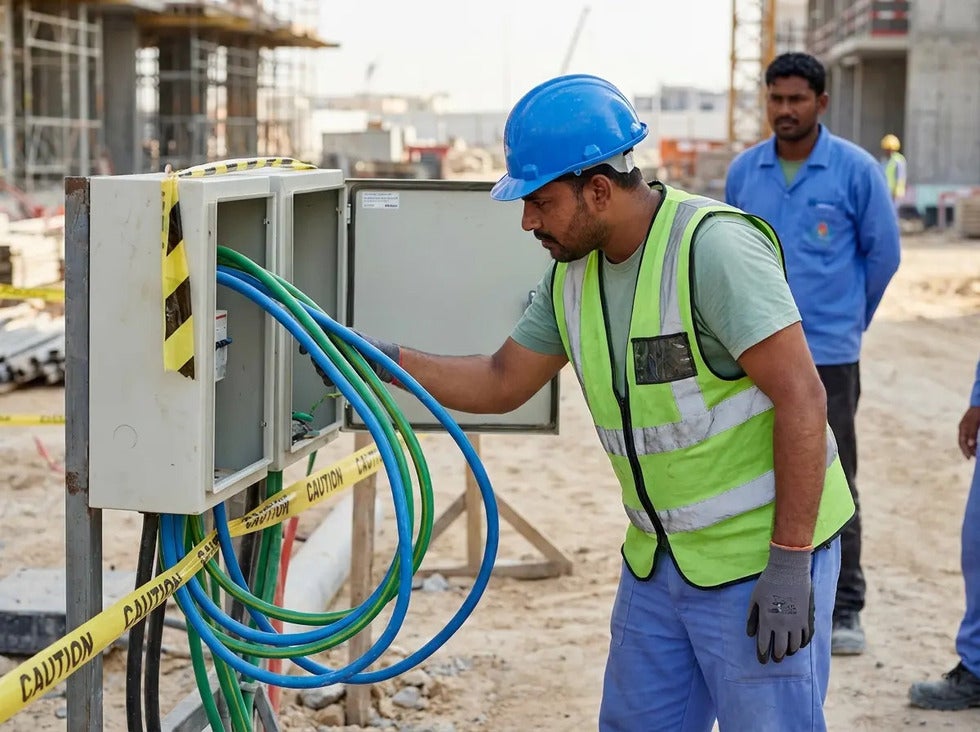
The dynamic nature of construction work makes it a breeding ground for potential electrical dangers on any project. Heavy machinery moves constantly, and temporary wiring is often exposed to the elements in these harsh environments. According to recent labor statistics, electrocution is consistently one of the "Fatal Four" leading causes of death in the industry. This data highlights a persistent failure to manage energy sources effectively.
Construction workers operate in environments where power sources are high voltage and unforgiving to those who make mistakes. Unlike a typical office setting, the infrastructure here is often incomplete or temporary, increasing the risk of accidents. Every construction worker on the job site must remain vigilant to survive the day and return home safely.
Electrical hazards are not limited to electricians, as laborers, painters, and heavy equipment operators are also at risk. A ladder touching a wire or a drill hitting a hidden cable can cause an instant electric shock. The danger spans across all trades working on the project, requiring constant awareness from every person involved.
Common Sources of Danger for Construction Workers
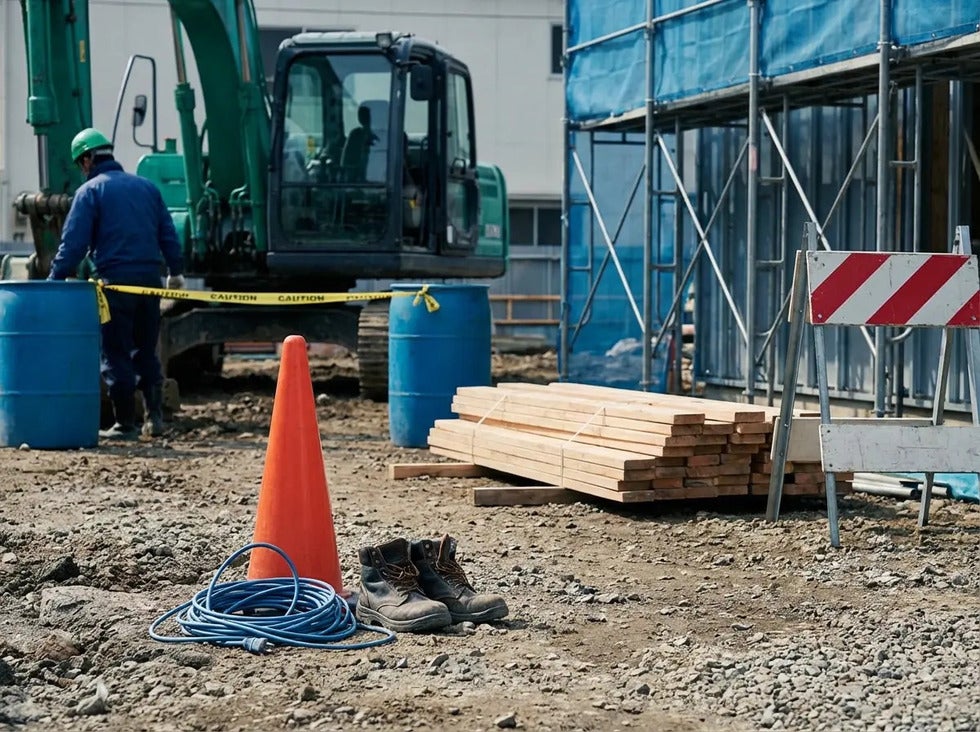
Identifying where the danger lies is an essential part of daily construction work and critical for preventing accidents. Most incidents on construction sites stem from a few recurring risk factors that are often overlooked by crews. These hazards are often visible but ignored due to familiarity or haste, which can lead to tragic outcomes.
Overhead Power Lines on the Construction Site
Overhead power lines are the most frequent cause of fatal electrocution accidents occurring on modern job sites today. Cranes, ladders, and scaffolding often come too close to these uninsulated wires, leading to immediate and deadly consequences. Workers might assume the lines are safe or deactivated, which is a fatal error in judgment during operations. The electrical current can jump or "arc" to equipment without direct contact, creating a lethal zone around wires.
Operators must maintain a safe distance from any overhead power source to prevent contact with high-voltage electricity. Spotters should be on the ground to guide machinery away from danger zones and ensure the operator's safety. Visual barriers can also help remind crews of the hazard above them as they perform their daily tasks. Ignoring these lines is a primary cause of wrongful death in the industry and must be addressed strictly.
Never assume an overhead wire is insulated or dead. Always treat overhead lines as live and dangerous until confirmed otherwise by the utility company.
Defective Tools and Equipment at the Construction Site
Damaged power tools are another common culprit for injuries that occur during the course of a normal workday. Insulation on wires can wear down over time, exposing the user to live electricity without any prior warning. Defective equipment may not ground properly, sending the charge through the construction worker instead of the earth. Regular inspection of all gear is mandatory to identify these hazards before they cause a serious injury.
Extension cords are frequently misused or abused on busy sites where they are subjected to constant heavy traffic. They get run over by trucks, pinched in doors, or dragged over sharp edges, compromising their protective insulation. Using a damaged cord is a gamble no one should take when working with high-voltage electrical systems. Proper maintenance of flexible cords is a simple yet effective way to prevent unnecessary shocks and burns.
Wiring and Grounding Issues
Improper grounding allows electrical energy to build up in metal parts of equipment, creating a hidden shock hazard. Without ground-fault protection, there is nothing to stop the flow of current if a fault occurs during operation. This is why Ground Fault Circuit Interrupters (GFCIs) are required on construction sites to protect all workers. They cut the power supply instantly if an imbalance is detected, preventing a potentially fatal surge of electricity.
Temporary lighting and wiring systems on a construction site often lack the durability of permanent, long-term installations. They are prone to short circuits if exposed to water or physical damage during the construction process. Electrical work must always be performed by qualified professionals to minimize these risks and ensure full compliance. Shortcuts in wiring lead to devastating consequences that can affect every person working in the immediate vicinity.
- Overhead power lines are the leading cause of fatal electrocutions on job sites.
- Damaged extension cords and flexible cords pose significant shock risks.
- Ground-fault protection is essential for preventing injuries from equipment faults.
Physical Impact of Electrocution
The term "electrocution" technically refers to death caused by electric shock, but it describes severe injuries as well. When electricity enters the body, it uses tissues and nerves as a conductor, causing significant damage to internal systems. This passage causes intense heat and disrupts the body's natural electrical signals, leading to long-term health complications.
Electrical burns are a common and painful result of these accidents, often requiring specialized care in a burn unit. These burns can occur on the skin where the current entered and exited the body during the shock. In severe cases, the heat destroys muscle and tissue deep beneath the skin, leading to permanent physical impairment. Treatment for these wounds is extensive and often requires skin grafts and multiple surgeries to restore function.
Beyond burns, the shock can stop the heart or cause irregular beats that require immediate medical intervention. The force of the shock may also throw a worker from a ladder or platform, causing secondary injuries. Specialized medical care is required for electric shock injuries to ensure that all internal damage is properly treated.
Liability and Legal Recourse Following a Construction Accident
Unlike a car accident where fault is often clear, determining who is at fault for a construction accident is rarely simple due to the complexity of modern projects. Multiple companies, contractors, and subcontractors usually share the same workspace, which complicates the process of identifying liability. Understanding your options is necessary for financial recovery after an electrical injury occurs on the job.
Workers' Compensation
Most injured employees are covered by workers' comp insurance, which is designed to provide immediate financial assistance. This system provides coverage for medical bills and a portion of lost wages regardless of who caused the accident. It is generally the first line of defense for a construction worker hurt on the job during their shift. However, these benefits are often limited and do not cover pain and suffering or other non-economic damages.
Accepting workers' comp usually prevents you from suing your direct employer for the injuries you have sustained. This trade-off ensures quick payment but limits the total compensation available for your pain and suffering. It is a safety net, but it may not fully address the long-term costs of a fatal injury. You should review the policy details carefully with a professional to understand your full legal rights.
Third-Party Lawsuits
In many cases, a party other than the employer is responsible for the accident occurring on the site. This could be a negligent property owner, a different subcontractor, or a manufacturer of defective electrical equipment. In these situations, you may file a third party injury claim to seek full compensation for your losses. This legal action allows for the recovery of damages not covered by standard workers' compensation insurance policies.
These claims fall under specific practice areas of law that deal with negligence and workplace safety violations. For example, if an outside electrician left live wires exposed, they could be held liable for your damages. A successful personal injury claim can provide compensation for pain, suffering, and the full amount of lost income. Consulting with a construction accident lawyer helps clarify these possibilities and ensures that all responsible parties are held accountable.
Don't sign any settlement offers from insurance companies without legal review. Early offers rarely account for future medical needs related to severe electrical injuries.
Prevention and Safety Standards
Preventing electrical injuries requires strict adherence to construction safety and occupational safety standards at all times. OSHA provides detailed regulations governing electrical safety on construction sites to protect workers from known hazards. Training is the backbone of a safe construction site, ensuring that every worker can identify potential dangers early. Ignoring these standards is a recipe for disaster that can lead to life-altering injuries or death.
Regular safety meetings help keep these risks fresh in everyone's mind as they navigate the busy job site. Every worker should be able to identify potential electrical hazards before they become accidents that cause serious harm. Knowledge is the best defense against high voltage dangers that exist on every modern construction project today. A proactive approach to safety can save lives and prevent the need for complex legal action later.
Employers must provide proper personal protective equipment (PPE) to ensure that every worker remains safe from harm. Rubber insulating gloves, face shields, and flame-resistant clothing are necessary for certain tasks involving high-voltage electricity. Safety signs should be clear and, when necessary, posted en español to ensure all workers understand the risks. A commitment to occupational safety protects everyone on the project and reduces the likelihood of a tragic accident.
- Compliance with OSHA standards is non-negotiable for site safety.
- Third-party claims can offer compensation beyond workers' comp limits.
- Proper PPE and regular training prevent many electrical accidents.
Steps After an Injury
The moments following an electric shock are chaotic but critical for the long-term health of the injured worker. Your first priority must be seeking medical attention immediately to address any potential internal damage or heart issues. Heart arrhythmias can appear hours after the initial shock occurred, making professional medical evaluation absolutely essential.
Document everything about the accident scene at the construction site if you are physically able to do so. Take photos of the defective tool, the exposed wire, or the lack of signage to preserve vital evidence. This evidence is crucial for any future personal injury claim that you may decide to file later. Witnesses should be identified, and their contact information collected promptly to support your version of the events.
If your medical care is substandard, a medical malpractice issue could complicate your recovery and legal case. Always follow the doctor's orders and keep records of all treatments received during your recovery process. You should also check the law firm's site map to find resources on how to document your injuries properly.
Contacting a Los Angeles workplace electrocution attorney is the next logical step to protect your interests and secure your financial future. We offer a free consultation to review the facts of your case and provide expert guidance. We can identify the liable parties and explain the relevant practice areas that apply to your specific situation.
Construction sites are inherently risky, but negligence makes them deadly for the people who work there every day. Electrical injuries change lives in an instant, often preventing workers from returning to their trade and earning a living. Securing fair compensation is necessary to support your family and pay for the high cost of medical care. Do not face the insurance companies alone without professional legal representation on your side.
Every worker deserves to return home safely at the end of the shift without fearing for their life. Strict safety enforcement and proper equipment maintenance are the only ways to reduce severe injuries on the job.


Comments
There are no comments for this post. Be the first and Add your Comment below.
Leave a Comment