
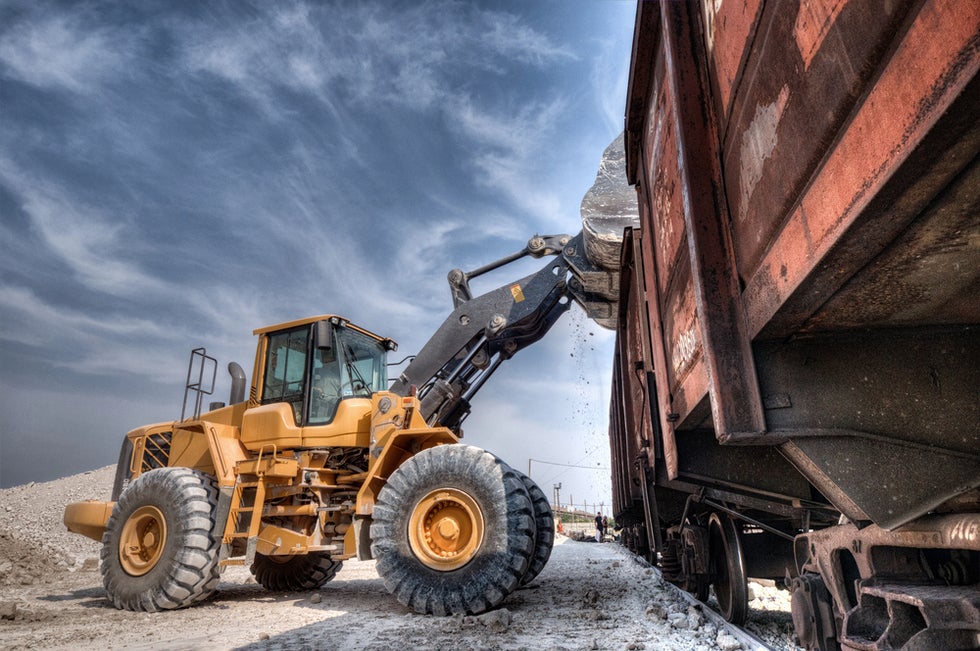
The roar of heavy machinery is the soundtrack of progress. But when that sound is broken by a sudden crack, a snap, or a sickening silence, it can change your life in a second. One moment you're doing your job, the next you're dealing with a serious injury.
You might think it's just part of the risk, but often it's because the equipment you trusted failed you. This is where you might need to understand what construction equipment malfunction injury claims involve. These are not simple workplace accidents, and you have rights.
Learning about your legal options with construction equipment malfunction injury claims is the first step you should take. Such an injury could lead to a workers' compensation claim, a product liability case, or other third-party claims.
Table of Contents:
- Why Construction Sites Can Be So Hazardous
- When Good Machines Go Bad
- Figuring Out Who is Responsible
- What To Do After a Construction Equipment Accident
- Workers' Comp and Third Party Claims
- Types of Compensation Available
- Your Next Steps Toward Recovery and Justice
Why Construction Sites Can Be So Hazardous
You already know your job is dangerous. Every day on construction sites, you are around powerful forces and heavy objects. This isn't an office job where a paper jam is the biggest threat of the day.
The Occupational Safety and Health Administration (OSHA) keeps track of these things. They know the construction industry is one of the most hazardous in the country. The constant movement of materials, vehicles, and people creates a nonstop potential for workplace injuries and serious construction accidents.
You put your trust in the tools and machines you use. You expect them to work correctly every single time. When they don't, the results of these equipment malfunctions are often catastrophic, leading to a need for an experienced lawyer from a firm with relevant practice areas.
When Good Machines Go Bad
An equipment malfunction isn't just a breakdown. It's a failure that leads to an injury lawsuit. It means the machine didn't perform as it was supposed to, and an injured worker got hurt because of it.
Think about the heavy machinery you see on a daily basis. A crane dropping its load, a forklift's brakes failing, or scaffolding collapsing isn't just a construction accident. It is a sign that something was seriously wrong with the defective equipment itself.
This could happen with anything on a construction site. From massive excavators and bulldozers to smaller power tools like nail guns and saws. Each piece of machinery needs to be perfectly designed and maintained to be safe for construction workers.
Design Defects
Sometimes, the problem with a piece of equipment started on the drawing board. A design defect means the machine was unsafe from its very conception. No amount of careful manufacturing or proper use can fix a flawed design, making it a case of defective construction.
Maybe a crane was designed with a center of gravity that was too high. This could make it unstable and prone to tipping over. Or perhaps a power saw was designed without a necessary safety guard, leading to injuries caused by exposed blades.
These are issues that make the product inherently dangerous for its intended use. The manufacturer could be held responsible for these kinds of errors through a product liability claim. Similar liability principles can be seen in claims for defective amusement park rides or boating accidents where design flaws lead to harm.
Manufacturing Flaws
A machine can have a perfect design but still be dangerous. This happens when something goes wrong during the manufacturing process. The people who built the machine made a mistake that led to the equipment accident.
Imagine a company used cheap, weak bolts to assemble a piece of heavy machinery to save money. Or a weld on a crucial joint wasn't done properly. These are shortcuts and errors that can lead directly to an on-site failure and an injury claim.
This type of flaw makes a specific unit or batch of products unsafe. It is different from a design defect that affects every single product. A thorough investigation can uncover these manufacturing errors.
Failure to Warn
Machines, especially complex ones, should come with clear instructions. They need to have warnings about potential dangers. When a manufacturer fails to give adequate warnings or instructions for its malfunctioning equipment, people can get hurt.
This is also called a marketing defect. For instance, if a machine has a part that gets extremely hot but has no warning label, an unsuspecting construction worker could get a severe burn. Or if a piece of equipment requires a very specific maintenance schedule to stay safe and this is not communicated, the manufacturer could be at fault.
These instructions and warnings must be clear and easy to find. Hiding them in a huge manual isn't good enough if the danger is immediate and serious.
Poor Maintenance or Repair
Many construction equipment malfunctions happen because of neglect. Machines on a job site take a beating. They need regular inspections and maintenance to stay safe.
The company that owns the equipment is responsible for keeping it in good working order. This could be your employer, a general contractor, or a rental company. If they skip oil changes, ignore worn out parts, or do shoddy repair work, they are putting you at risk.
Checking maintenance logs can often reveal a history of neglect that led to the workplace injury. This information can be a key part of building your accident claim. A failure to maintain equipment properly is a form of negligence.
Figuring Out Who is Responsible
After a workplace injury, figuring out who to blame can seem difficult. Your first thought is probably your employer and a workers' compensation claim. But with a construction equipment malfunction, the list of responsible parties can be much longer.
This is good news for you. While workers' compensation is helpful, it rarely covers all of your losses. A claim against another responsible party, known as a third-party claim, can help you recover what you've truly lost.
Several different companies could share the blame for your injury. It takes a careful investigation by construction accident lawyers to sort it all out. Here are some of the potential parties.
| Potential Liable Party | Reason for Liability |
|---|---|
|
Equipment Manufacturer |
The product had a design or manufacturing defect, making them liable under product liability law. |
|
Your Employer |
They may have removed safety guards, illegally modified the equipment, or failed to provide proper training. |
|
Equipment Rental Company |
They rented out faulty or poorly maintained machinery, breaching their duty of care. |
|
Maintenance Company |
They were hired to service the equipment but did a poor job or were negligent in their repairs. |
|
General Contractor/Site Owner |
They failed to make sure the worksite was safe, which can lead to a premises liability claim. |
What To Do After a Construction Equipment Accident
The moments after an injury are chaotic and painful. It is hard to think straight. But the actions you take can have a big impact on your health and your ability to file a personal injury lawsuit later.
1. Get Medical Help First
Your health is the top priority. Let your supervisor know you are hurt and get medical attention right away. Even if you feel okay, some serious injuries, like traumatic brain injuries, don't show symptoms immediately.
Going to a doctor also creates a medical record of your injuries. This record is vital for connecting your workplace injury to the incident. Be sure to tell the doctor exactly how the equipment malfunction happened.
2. Report Your Injury
You need to officially report your injury to your employer. Do this in writing as soon as you can. A simple email or a written note can work.
The report should include the date, time, and a brief description of what happened. This creates an official paper trail that proves you reported the incident. An oral report can be forgotten or denied later.
3. Document Absolutely Everything
If you can, use your phone to take pictures. Get photos of the failed equipment from every angle. Also get pictures of the scene of the equipment accident and your visible injuries, such as broken bones.
If anyone saw what happened, get their names and contact information. These witness accounts could be very important down the road. You should also write down everything you remember about the incident while it's still fresh in your mind.
4. Preserve the Evidence
The piece of equipment that failed is the most important piece of evidence you have. You need to make sure it isn't repaired, altered, or thrown away. It needs to be preserved just as it was at the time of the accident.
Your lawyer can send a formal letter, called a spoliation letter, to the owner of the equipment. This letter legally warns them not to tamper with the evidence. This allows your own expert to inspect it to determine exactly what went wrong with the machine.
Workers' Comp and Third Party Claims
It's important to understand the two main types of claims you might have. Most injured workers are familiar with workers' compensation. But an equipment malfunction opens the door to something more, especially if a third party's negligence was a factor.
Workers' comp is a no-fault system. This means you don't have to prove your employer was careless to get benefits. But the compensation benefits are limited, as research from the National Council on Compensation Insurance shows.
A third-party claim is different. This is a personal injury lawsuit against a negligent party who is not your employer. This could be the manufacturer of the faulty machine or the company that was supposed to maintain it.
You can pursue both a workers' comp claim and a third-party claim at the same time. The money from the third party claim can help cover the losses that workers' comp doesn't. Here is how they compare.
| Feature | Workers' Compensation Claim | Third-Party Claim |
|---|---|---|
|
Who you file against |
Your employer's insurance |
A negligent third party (e.g., manufacturer, maintenance company, property owner). |
|
Do you need to prove fault? |
No, you just need to prove the injury occurred at work. |
Yes, you must prove the third party was negligent and their negligence caused your injuries. |
|
What you can recover |
Medical bills and a portion of lost wages. Pain and suffering are not included. |
All medical bills, all lost wages, future lost income, and money for pain and suffering. |
|
No, in almost all cases. Workers' compensation is usually the exclusive remedy against an employer. |
Yes, you are suing someone other than your employer who contributed to the accident. |
Filing third-party claims is a complex process. Unlike workers' comp, you have to prove negligence, which requires a detailed investigation. This is why many injured workers seek a free consultation with experienced accident lawyers.
Types of Compensation Available
A serious injury can have devastating financial consequences. Filing one or more claims is about getting the financial relief you need to put your life back together. This is more than just paying the immediate medical bills.
Compensation in a personal injury claim is divided into two main categories. There are economic damages, which have a clear dollar amount. And there are non-economic damages, which are meant to compensate you for the human cost of your injury.
Economic Damages
These are the tangible financial losses you have suffered because of the construction equipment malfunction. They are calculated by adding up your bills and projecting future costs. This is a critical part of your compensation claim.
- Medical Expenses: This includes everything from the ambulance ride and hospital stay to future physical therapy, medications, and any necessary medical equipment for injuries like brain injuries or spinal cord damage.
- Lost Wages: This is the income you have already lost because you've been unable to work while recovering from your workplace injury.
- Loss of Earning Capacity: If your injury prevents you from returning to your old job or limits the work you can do, you can get compensation for that future lost income. This is especially important in cases involving long-term disability.
Non-Economic Damages
These damages are harder to calculate but are just as real. They are meant to compensate you for the ways your injury has affected your quality of life. These are damages you can typically only get through a third-party claim, not when you just collect workers' compensation.
- Pain and Suffering: This covers the physical pain and emotional distress caused by your injury. Catastrophic accidents often result in significant pain and suffering damages.
- Loss of Enjoyment of Life: This acknowledges that you may no longer be able to do the hobbies and activities you once loved.
- Disfigurement: If your injury has left you with permanent scars or other physical changes, you can be compensated for that. This can be particularly relevant in cases involving burns or severe lacerations.
- Wrongful Death: In the most tragic cases, if a construction accident leads to a fatality, the surviving family may file a wrongful death claim to seek justice and financial support.
The process of securing full compensation often requires legal assistance. Similar to claims for car accidents or pedestrian accidents, a lawyer helps gather evidence, calculate damages, and negotiate with insurance companies. An experienced legal team understands the nuances of personal injury law.
When you contact a law firm, they will likely have a privacy policy in place to protect your information. Communication is vital, and many firms now offer updates via text messages for your convenience, though standard message and data rates may apply. Always ask about their communication methods during your free consultation.
Your Next Steps Toward Recovery and Justice
An injury from a faulty piece of equipment on a construction site is a serious matter. You have been through a traumatic experience, and now you are facing a difficult recovery. You need to know that your situation might be much more than a standard workers' compensation case.
The possibility of filing construction equipment malfunction injury claims against a manufacturer or another outside company could be the key to your full financial recovery. These third-party claims can provide compensation for damages that workers' compensation benefits simply do not cover. Such cases can be complex, often involving aspects of product liability and premises liability.
Looking into all of your legal options with accident lawyers is the best way to protect yourself and your family's future. Don't hesitate to seek a free consultation to understand your rights and start your journey toward justice and financial relief.
Need a construction accident attorney to help with your case? Give us a call or engage with our chat for a free consultation.


Comments
There are no comments for this post. Be the first and Add your Comment below.
Leave a Comment